BAMENDA: AFTER THE POPE’S VISIT AND BLESSING, WHAT NEXT?
| Commentary |
By Prince Mundi
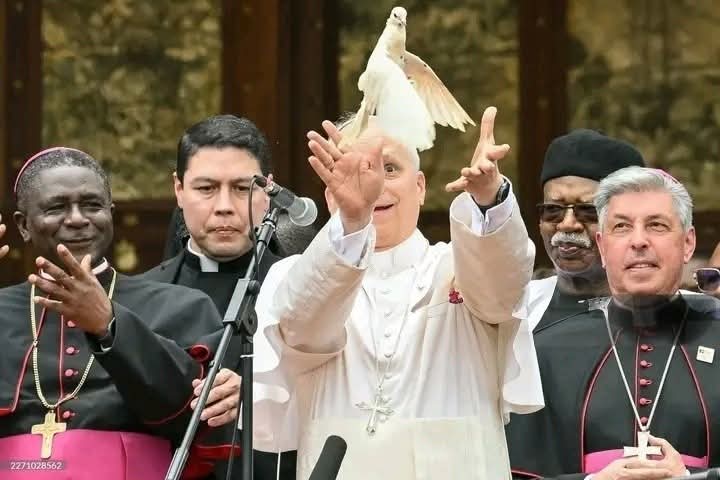
The crowds have dispersed. The songs have faded. The Pope has left, and the symbolic white dove released into the Bamenda sky has disappeared into the horizon. But across the North West and South West regions, one question lingers heavily in the hearts of many: what next?
The visit of Pope Leo XIV to Bamenda was historic. It brought global attention to a crisis that has, for years, bled quietly, leaving behind grief, destroyed communities, and shattered trust. The Pope came, he saw, and he listened. From war-weary mothers to displaced families, from broken youths to religious leaders, the stories poured out raw and painful. Bishops spoke with urgency. Victims spoke with trembling voices. Before government officials and a watching world, the depth of the Anglophone crisis was exposed.
In response, the Holy Father prayed, comforted, and called for peace. His pontifical Mass in Bamenda carried strong symbolism. His vestments reflected local identity. His words called for reconciliation. The release of seven doves into the sky sent a clear message that peace is possible.
But beyond the symbolism lies a harder truth. Peace will not come simply because a holy man has prayed. If anyone was hoping that the Pope would arrive with a magical baton to command the government and the people to reconcile, that hope must now give way to reality. The solution is not in Rome or in any external figure. It is in the hands of Cameroonians. Outsiders cannot solve this crisis for Cameroonians because they already know what must be done and how to do it. The real task is for Cameroonians to sit face to face, confront the issues honestly, and resolve them with courage and sincerity.
The Pope’s message was not a magical solution. It was a moral challenge. He condemned corruption, denounced oppression, and spoke against the exploitation of the weak and the suffering of the innocent. In doing so, he placed responsibility where it belongs: in the hands of Cameroonians.
It is within this same moment that many were left puzzled. Government officials were seen at the forefront, some seated side by side with the Pope, others visibly emotional and calling for peace as though the solution rested in his hands. At the same time, and a day before the Pope’s arrival, separatist fighters also called for peace and even announced a ceasefire for the period of the Pope’s stay in Bamenda. This raises a troubling question: if both sides can speak the language of peace when the world is watching, what then prevents that peace from becoming permanent? Who is fooling who, and where does the truth lie? Posterity will judge every action and every moment of silence.
For the government, the message is clear. Justice must not only be done but must be seen to be done. Dialogue must go beyond formality. The cries of marginalized communities must be addressed with sincerity. Governance must reflect service, not power.
For separatist fighters, the message is equally urgent: guns cannot build the peace people desperately seek. Violence has deepened wounds, prolonged suffering, and stolen futures. Laying down arms is not defeat; it is the beginning of restoration.
For the population, often caught in between, responsibility remains just as important. Peace begins in communities—through forgiveness, through rejecting hate, and through refusing to be instruments of division. Silence in the face of wrongdoing only fuels the crisis.
The Pope has done his part. The world has heard.
But Bamenda does not need another ceremony. It needs courage—courage from leaders to act justly, courage from fighters to choose peace, courage from citizens to demand better and live differently.
Because in the end, no garment, no matter how symbolic, not even the Pope’s cassock woven with the finest Togho, can bring peace to a nation. That responsibility cannot be imported. It must be lived.
Until then, the seven doves released into Bamenda’s sky will remain only a symbol, waiting for a people ready to give it meaning.
Published on: April 18, 2026