Europe Tightens Grip on Cameroon Crisis: Belgium Arrests Four Separatists, UK Suspends Study Visas
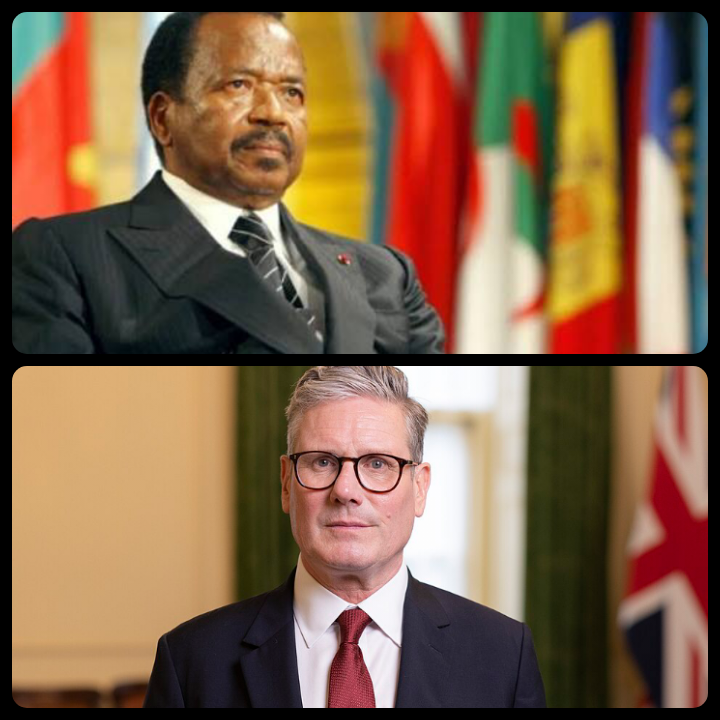
Europe has stepped up its response to the protracted Anglophone crisis in Cameroon, with Belgium arresting four suspected separatist leaders and the United Kingdom halting study visas for Cameroonians linked to rising asylum claims.
The twin developments signal growing European concern over the international spillover of the conflict, particularly in relation to security risks and migration pressures.
Belgium’s Federal Public Prosecutor’s Office confirmed that, since summer 2025, it has been investigating alleged crimes against humanity and war crimes committed in Cameroon since 2020. The probe reportedly followed a notification from Norwegian judicial authorities.
According to Belgian prosecutors, funds are alleged to have been raised from within Belgium to support armed groups in Cameroon, including the purchase of weapons and ammunition. Authorities also claim that instructions for attacks and assassinations may have been issued from abroad.
The arrests are said to be linked to broader intelligence assessments previously conducted by Norwegian and United States authorities concerning the activities of the Ambazonian Defence Forces (ADF), led by Ayaba Cho.
Meanwhile, the United Kingdom has introduced what Home Secretary Shabana Mahmood described as an “emergency brake” on study visas for nationals of countries with high rates of asylum claims, including Cameroon. The measure follows a reported 470 per cent rise in asylum applications from students originating from Cameroon, Afghanistan, Sudan and Myanmar.
UK authorities clarified that the restriction applies specifically to study visas and does not affect other categories such as tourism, business or work permits. The move targets cases where students lawfully enter the UK for studies but later switch to asylum applications.
Observers say the latest actions reflect a shift in Western policy—from an approach largely framed around human rights advocacy to one increasingly shaped by homeland security considerations.
For the government in Yaoundé, the developments may be viewed as diplomatic reinforcement of its longstanding position that some diaspora-based actors have fueled the crisis from abroad. However, analysts caution that external enforcement measures cannot substitute for substantive political reforms at home.
For diaspora activists, the message appears clear: international space for political mobilisation is narrowing, particularly where alleged links to armed activity emerge.
As Europe recalibrates its posture, Cameroon’s Anglophone crisis is steadily transforming from a domestic political dispute into a matter of international legal and security concern.
Despite the tightening international climate, many observers maintain that a lasting solution lies not in arrests abroad or visa restrictions overseas, but in credible governance reforms, inclusive dialogue and structural transformation within Cameroon itself.
Published on: March 4, 2026